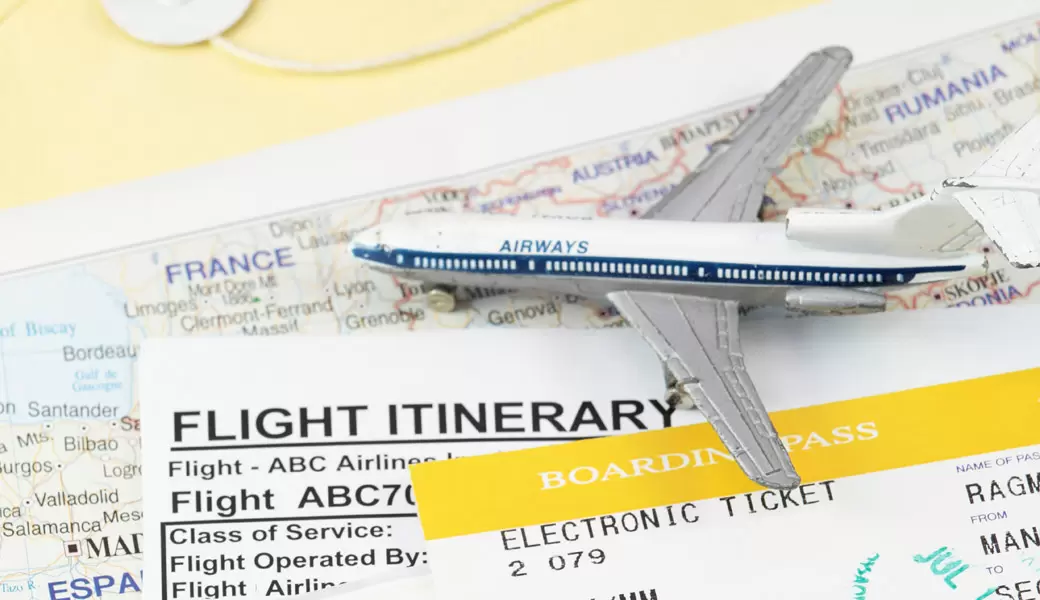
RFID for Hospitality
Elevated guest experience
Hospitality businesses carry significant asset inventories spread across large, multi-floor properties. At the same time, guests expect personalised service. RFID addresses both: invisible asset tracking and guest experience triggers that work without any friction for the visitor.
Hotels, resorts, and hospitality venues use RFID to manage assets efficiently, deliver a genuinely personal guest experience, and create memorable visitor interactions.
RFID in Tourism & Hospitality
Hotel Asset Management
Track linens, trolleys, AV equipment, furniture, and portable assets across a large property. Know what is in each room, what is in laundry, and what is in storage — without a manual count. Regular inventory sweeps take minutes, not days.
VIP Guest Recognition
RFID wristbands or key cards recognise VIP guests as they move through the property. A hidden antenna reads the card — the nearest staff member receives a quiet notification with the guest's name, preferences, and status. Personal service, invisibly delivered.
Museum & Exhibit Interactivity
Exhibits in museums, hotel lobbies, or resort areas carry hidden RFID tags. When a visitor approaches, a nearby screen displays relevant information, audio, or video — no app, no QR code, no staff involvement required.
Visitor Flow Analytics
Anonymised RFID data from visitor wristbands shows which areas get the most footfall, which exhibits hold attention longest, and how guests move through the space — enabling data-driven layout and programming decisions.
Hospitality RFID Deployment
Asset Tagging
Durable, washable RFID tags for linens. Standard labels for furniture and equipment. Tagging is completed during a low-occupancy period with no visible signage or guest communication required.
Guest Experience Infrastructure
Small, paintable RFID antennas installed at strategic guest touchpoints — completely invisible behind walls or inside fixtures. Displays and tablets show contextual content when triggered.
Wristband or Card Programme
Guests receive an RFID wristband at check-in, or their existing key card is RFID-enabled. No explanation needed — the experience simply happens around them.
RFID Capabilities Used
These RFID building blocks combine to deliver results in hospitality.


We have deployed interactive RFID and asset management systems for hospitality and museum clients in Bulgaria, including VIP guest recognition and exhibit interactivity installations.
Read Case Studies →Other Industries
Frequently asked questions
How long does an RFID system implementation take?
A typical RFID deployment takes 6–16 weeks from project kick-off to go-live, depending on scope. A simple proof-of-concept (one location, one use case, no deep IT integration) can be live in 2–4 weeks. A full warehouse deployment with ERP integration typically takes 8–12 weeks. An enterprise-wide multi-site rollout can take 3–6 months or more. Key phases are: requirements and site survey (1–2 weeks), solution design and hardware procurement (2–4 weeks), installation and configuration (1–3 weeks), software integration and testing (2–4 weeks), and staff training and go-live (1–2 weeks). Our projects include a formal pilot phase before full rollout to validate performance in your specific environment.
How much does an RFID system cost?
RFID system costs vary significantly based on scope. Tag costs range from €0.05 per paper UHF label to €80+ per active RFID tag. Fixed readers cost €800–€3,000 per unit. A complete entry-level system (1–2 read points, basic software, no ERP integration) starts from €5,000–€10,000. A mid-size warehouse deployment (8–16 read points, middleware, ERP integration) typically costs €25,000–€60,000. Enterprise multi-site deployments are scoped individually. We provide detailed cost-benefit analysis as part of our free initial consultation — including payback period and 5-year total cost of ownership.
Can RFID integrate with our existing ERP or accounting system?
Yes. RFID middleware sits between the RFID hardware layer and your business systems. It captures raw reads from readers, applies business rules (filtering, aggregation, event generation), and pushes structured data to your ERP, WMS, or accounting system via standard APIs (REST, SOAP, ODBC) or direct database connectors. We have integrated RFID with SAP, Oracle, Microsoft Dynamics, Navision, and bespoke systems. The integration scope and complexity depend on your system's API capabilities and the depth of automation required. We conduct a technical integration assessment during the design phase to scope this accurately.
What types of RFID tags work in laundry applications?
Laundry RFID tags must withstand industrial wash conditions: temperatures of 60–85 °C, strong detergents and bleach, tumble drying, and commercial pressing (160 °C surface contact). Suitable tags are encapsulated in silicone or reinforced TPU and are rated for 200+ wash cycles at 60 °C or 100 cycles at 85 °C. They are attached by sewing into a seam, heat-sealing to a care label, or bonding to the textile. UHF (860–960 MHz, EPC Gen2) is the standard frequency for laundry tracking due to its long read range and bulk reading capability, which enables automated sorting at laundry conveyors. Tag dimensions are typically 60–80 mm × 12–20 mm to fit within seam allowances.
Can we run a pilot before committing?
Yes. Our projects include a formal pilot phase before full roll-out, so that read performance is validated in your own environment. We start with a free 45-minute consultation, with no obligation.
What support do we get after go-live?
Our engineers are based in Bulgaria and are available for on-site work, training and troubleshooting. We offer ongoing support agreements that cover hardware maintenance, software updates and the supply of consumables such as labels.
Send an enquiry
Tell us what you want to track. An RFID specialist will reply within one business day.
Or book a free consultation →
Ready to See What RFID Can Do for Your Business?
Book a free 45-minute consultation with our RFID specialists. No obligation — just answers.
or call +359 886 718 545